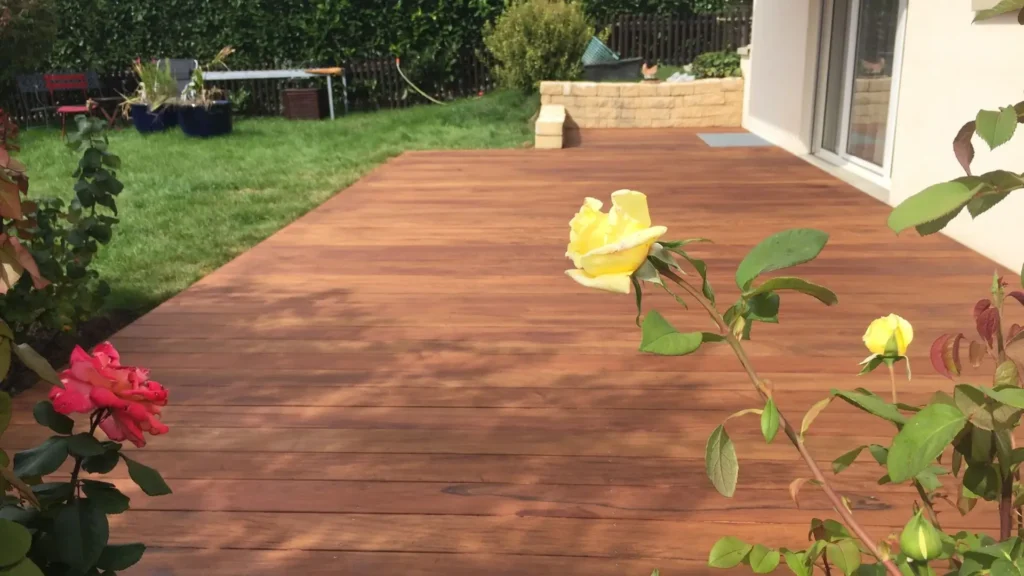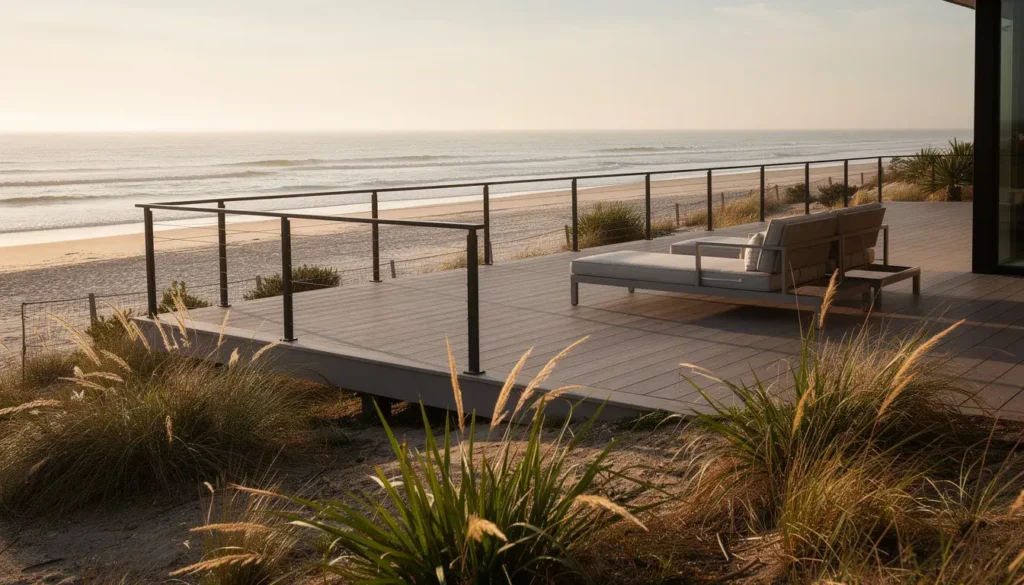
Welcome to our comprehensive guide on Garapa Deck Vs Kwila Deck Kapiti! Whether you’re a homeowner planning a new outdoor space or looking to refurbish your existing deck, this resource will help you understand the key differences between these two popular hardwoods. Discover which timber best suits Kapiti’s unique coastal climate, your aesthetic preferences, and maintenance expectations. Let’s explore the qualities, benefits, and considerations of garapa and kwila to help you make an informed choice for a beautiful, durable deck that lasts for decades.
Table of Contents
Key Takeaways
- In Kapiti’s salty, windy coastal climate, garapa generally edges out kwila for dimensional stability, lower tannin bleeding, and long-term appearance without the mess.
- Kwila remains an excellent, proven option on the Kapiti Coast, especially for homeowners wanting a rich dark-brown deck and prepared for more upfront preparation and regular maintenance.
- Garapa is golden-blonde, cooler underfoot, and available with FSC certification—making it particularly suited to modern beach homes from Peka Peka to Paekākāriki.
- Both timbers can deliver 25+ years of service life on the Kapiti Coast when installed with stainless fixings, proper ventilation, and regular oiling.
- Kapiti homeowners should contact a local deck builder for site-specific advice comparing garapa vs kwila for their section’s sun, wind, and coastal exposure.
Introduction: Garapa Vs Kwila On The Kapiti Coast
Kapiti’s coastal climate—from Paraparaumu and Waikanae through Raumati, Otaihanga, and down to Paekākāriki—presents unique challenges for outdoor timber. Salt-laden winds, strong Wellington-region northerlies and southerlies, and intense UV exposure from late spring to autumn mean your decking materials need to work harder than they would inland.
Garapa is a golden South American hardwood that has gained popularity on modern coastal builds, while kwila (also known as merbau) is a darker South East Asian hardwood that has been a staple on New Zealand decks since the early 2000s. Both are durable hardwoods, but they behave differently in Kapiti conditions.
This article compares both species specifically for the Kapiti Coast, focusing on durability, movement, appearance, maintenance, sustainability, and cost. Whether you’re planning a new deck or refurbishing an existing one in 2026–2026, this guide will help you choose timber that performs beautifully for decades.
Garapa Decking: Golden Hardwood That Loves Coastal Kapiti
Garapa (Apuleia leiocarpa) arrives as a pale honey to golden-brown timber with a smooth finish and fine, uniform texture. Its lighter aesthetic has made it increasingly popular on modern coastal builds throughout New Zealand’s climate zones, offering a fresh alternative to the darker tropical woods that dominated outdoor spaces for decades.
Performance highlights for Kapiti conditions:
- Excellent density and hardness (Janka rating around 1,200–1,500 lbf) providing good scratch resistance for high traffic areas
- Strong resistance to decay, insects, and fungal attack—critical in Kapiti’s humid, salt-laden environment
- Proven stability on windy, exposed sites such as Raumati Beach and Pukerua Bay where timber movement can be problematic
- Naturally resistant to rot, making it ideal for ground level decks or elevated structures near the coast
Garapa is significantly less prone to tannin bleeding than kwila. This makes it a safer choice above light-coloured concrete paths, tiled patios, or pale rendered retaining walls where dark staining would be visible and difficult to remove.
The lighter colour also means garapa generally stays cooler underfoot than darker timbers on hot Kapiti summer days—a genuine comfort advantage for family decks, pool surrounds, and outdoor furniture areas where barefoot use is common.
FSC-certified garapa is available through NZ timber merchants, making it attractive to environmentally conscious homeowners along the Kapiti Coast who want premium materials with a clearer sustainability pathway.
Expected lifespan: 25+ years with proper maintenance, using typical board sizes available locally (90×19 mm and 140×19 mm profiles).
Pros Of Garapa For Kapiti Homes
- Strong coastal performance: resists salty air, driving rain, and strong UV rays common around Paraparaumu Beach and Waikanae Beach
- Minimal tannin staining risk, reducing the chance of brown run-off onto pavers, pool surrounds, and plaster cladding during heavy rain
- Aesthetic flexibility: the golden tone complements light weatherboard, modern plaster, and dark joinery common in newer Kapiti subdivisions
- Good dimensional stability with less cupping and twisting than many kwila installations when properly fixed and gapped
- Straightforward sanding and refinishing if owners later want to restore colour after the timber weathers nicely to silver-grey
- Cooler surface temperature in summer compared to darker timber options
- FSC certification available for environmentally conscious builds
Cons Of Garapa For Kapiti Homes
- Costs more upfront than treated pine and can be similar or slightly higher per lineal metre than kwila, depending on NZ supply at the time
- In very dry, exposed spots (such as hill sections in Paekākāriki) garapa can show fine surface checking if not oiled regularly
- Colour may be “too light” for homeowners wanting a classic deep-brown “resort” look—requires darker oil to achieve that aesthetic
- As an imported hardwood, lead times can occasionally be longer, so Kapiti projects may need earlier ordering during busy summer seasons
- Some natural colour variation between boards, though this is often seen as adding character
Kwila Decking: Classic Deep-Brown Hardwood With Tannin Trade-Offs
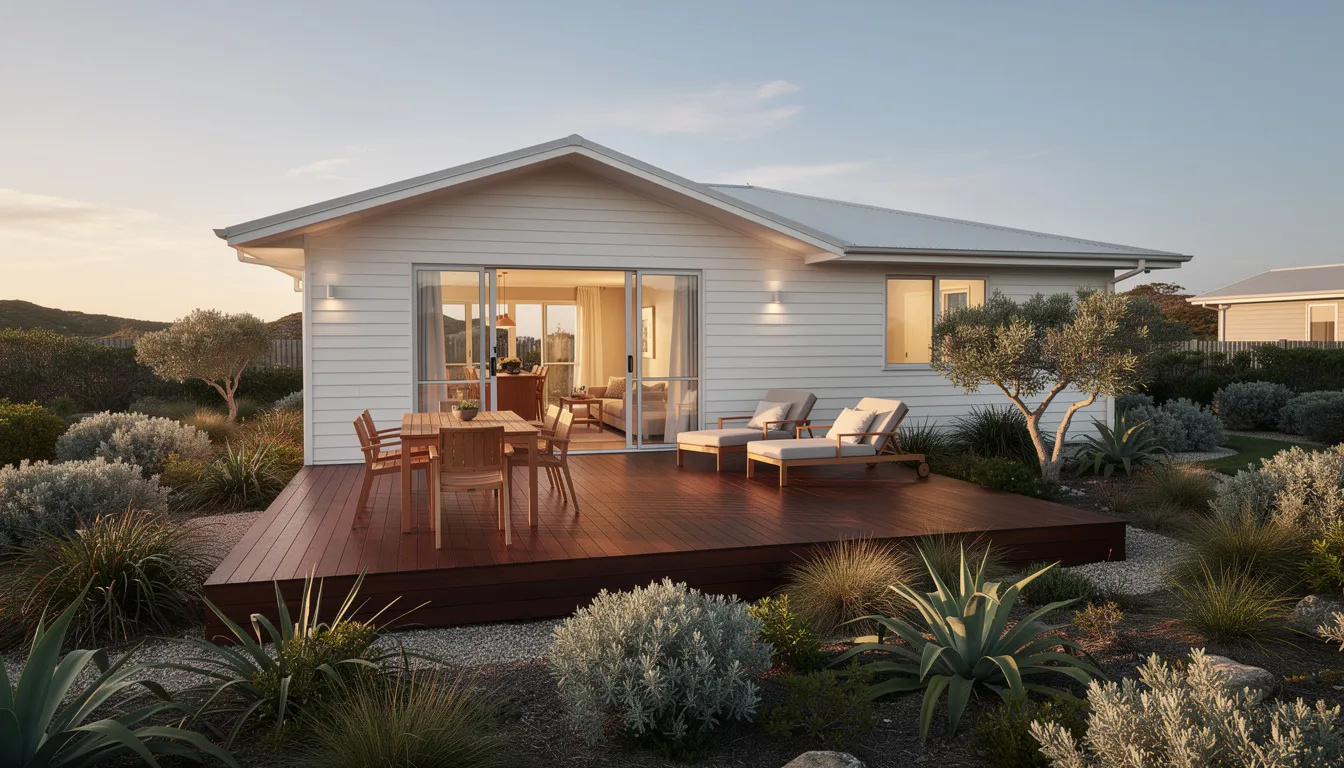
Kwila (merbau, Intsia bijuga) has been one of New Zealand’s most popular hardwood decking choices since the late 1990s. Its rich reddish-brown tone, interlocked grain, and premium “resort-style” look made it the go-to timber for decks across both the North Island and South Island for over two decades.
The appearance is undeniably striking—kwila starts as a warm reddish-brown and deepens over time, offering that classic dense hardwood look that many zealand homes aspire to. When well-maintained, it delivers the kind of natural beauty that transforms outdoor spaces into genuine entertaining areas.
Performance on the Kapiti Coast:
Kwila is very durable, extremely dense, and well-suited to high-traffic decks on rental properties, baches, and family homes where wear resistance matters. Its Janka hardness rating exceeds 1,900 lbf—harder than garapa—making it exceptionally tough against scratches and dents from outdoor furniture, dropped tools, and general family use.
The tannin trade-off:
When first installed, kwila can leach dark red-brown tannins that stain concrete, tiles, and plaster. This bleeding is particularly problematic during Kapiti’s frequent winter downpours unless boards are thoroughly pre-washed and runoff is carefully controlled for the first several months.
Kwila can also be slightly more prone to cupping and movement than garapa if spacing, ventilation, and fixing aren’t executed to a high standard. The higher oil content that gives kwila its rich appearance also means it demands more attention during installation.
Expected lifespan: 25+ years on Kapiti decks when maintained with quality oils and stainless steel fastenings.
Pros Of Kwila For Kapiti Homes
- Long track record in NZ coastal environments, with many kwila decks around Kapiti still performing well after builds in the early 2000s
- Warm, dark-brown colour that complements older weatherboard bungalows and villas in Raumati and Paekākāriki
- High density and exceptional hardness, making it a strong option for high-use entertaining areas and rental properties where extra toughness is valued
- Takes oil and stain very well, letting owners fine-tune the colour from red-brown through to rich chocolate tones
- Widespread familiarity among NZ builders means installation is predictable when best practices are followed
- Excellent wear resistance even in high traffic areas and under heavy outdoor furniture
Cons Of Kwila For Kapiti Homes
- Significant tannin bleeding during the first months, creating risk of staining pale concrete patios, pool coping, and house cladding—especially during Kapiti’s heavy rain periods
- More susceptible than garapa to cupping or twisting on very exposed, unsheltered decks if ventilation and fixing aren’t ideal
- Darker colour absorbs more heat, making kwila hotter under bare feet than garapa on peak summer afternoons
- Some kwila sources raise environmental concerns, so Kapiti homeowners should specifically request certified, responsibly harvested product
- Regular staining or oiling required to maintain colour and prevent excessive weathering in high UV environments
Side‑By‑Side: Garapa Vs Kwila For Kapiti Conditions
Both garapa and kwila are excellent decking timber options, but they behave differently in Kapiti’s demanding coastal climate. This head-to-head comparison helps clarify the trade-offs so you can make an informed decision for your specific site.
Both timbers can meet NZ building standards for decking when installed on compliant substructures with correct fixings. The differences lie in day-to-day experience, maintenance requirements, and how each responds to Kapiti’s unique challenges.
| Factor | Garapa | Kwila |
|---|---|---|
| Colour | Golden honey to blonde | Rich reddish-brown |
| Durability Class | Class 2 (25+ years) | Class 2 (25+ years) |
| Dimensional Stability | Excellent | Good (requires careful installation) |
| Tannin Bleeding | Minimal | Significant initially |
| Heat Absorption | Lower (cooler underfoot) | Higher (warmer underfoot) |
| Hardness (Janka) | 1,200–1,500 lbf | 1,900+ lbf |
| Sustainability Options | FSC available | Limited certification |
Quick verdict: Garapa is often preferred for modern coastal new-builds where a lighter palette and lower maintenance during establishment is valued. Kwila remains the choice when a dark, traditional hardwood look is a must and owners are prepared for initial tannin management.
Durability & Movement In Kapiti’s Coastal Climate
Kapiti throws everything at outdoor timber: salt spray, high winds, heavy rain, and strong sun exposure from late spring through autumn. Both garapa and kwila handle these conditions well, but with subtle differences.
Both species typically achieve 25+ years of service life on Kapiti decks when properly detailed, ventilated, and maintained. The difference in raw durability between the two is minimal—both sit in Durability Class 2 under NZ standards.
Where garapa pulls ahead is dimensional stability. It tends to show less cupping and twisting on high-wind sites near the beach or on exposed hillsides. This comes from its moderate density and lower movement propensity, meaning properly installed garapa boards are less likely to create loose boards over time.
Kwila’s density gives excellent wear resistance, but movement can be more noticeable on wide boards if fixings and gapping aren’t executed meticulously. In Kapiti’s fluctuating humidity and moisture levels, this demands extra attention during installation.
Critical for both species: Stainless steel screws and appropriate joist spacing (typically 450–600mm centres) are essential in Kapiti to handle wind uplift and moisture buildup.
Colour, Style, And How Each Weathers
Visual appeal matters—your timber deck should complement your home’s architecture and personal style. Both timbers offer distinct aesthetics suited to different Kapiti home types.
Garapa’s journey:
- Starts as a light golden colour with a uniform appearance
- Gradually softens over the first year
- Weathers to an elegant silver-grey if left unoiled
- Creates a relaxed “beach-house” feel that suits modern coastal architecture
Kwila’s journey:
- Starts reddish-brown with natural variation
- Can deepen to a rich chocolate tone with oiling
- Also weathers to silver-grey over several years if not maintained
- Delivers that classic “resort deck” aesthetic
Real pairing ideas:
- Garapa works beautifully with light plaster, black aluminium joinery, and pale-toned cladding common in new Kapiti subdivisions
- Kwila complements classic weatherboard, darker brick homes, and traditional villa styling found in established Raumati and Paekākāriki neighbourhoods
Regular oiling (every 6–12 months) helps either species maintain colour longer, which is important given Kapiti’s high UV environment. Without UV protection through oiling, both will gradually silver, though garapa transitions to this natural finish more gracefully.
Comfort Underfoot & Everyday Use
How a deck feels in daily life matters, especially for families who’ll use it barefoot throughout summer.
Garapa’s lighter colour means it generally stays slightly cooler underfoot during summer. This is genuinely useful for kids running in and out from the beach or paddling pool, and for adults who prefer not to hop between shaded spots on hot afternoons.
Kwila’s higher density gives it a firmer, heavier feel underfoot that some homeowners associate with a luxurious, solid deck. The trade-off is increased heat absorption—dark kwila can become uncomfortably hot in direct summer sun exposure.
Slip resistance: Both species can be made adequately slip-resistant with appropriate finishes and regular cleaning. This is particularly important in damp Kapiti winters when moss and algae growth accelerates.
Regardless of timber type, plan for:
- Regular sweeping to remove debris and salt deposits
- Periodic moss control (especially on shaded sections)
- Proper ventilation underneath to prevent moisture buildup
Tannin Bleeding, Staining Risk, And Maintenance
This is where the practical differences become most apparent for Kapiti homeowners.
Garapa: Usually has low tannin bleed, making it safer for homes with white plaster, exposed aggregate paths, or light tiles. The risk of unsightly brown staining on adjacent surfaces is minimal—a significant advantage given Kapiti’s regular rainfall.
Kwila: New installations require careful management. Boards should be pre-washed and allowed to bleed in a controlled way before being built directly above light finishes or pools. Many builders recommend washing kwila boards several times before installation and protecting adjacent surfaces during the first wet season.
Long-term maintenance for both:
- Annual or bi-annual clean with appropriate deck wash
- Re-oiling with UV-protective decking oil (every 6–12 months for colour retention)
- Periodic screw and board checks for any movement or loose boards
- Regular cleaning to prevent slip hazards
Kapiti’s salty air can accelerate surface weathering on any real timber, so a robust minimal maintenance routine is wise regardless of species. Both timbers reward proper care with decades of reliable performance.
Sustainability And Sourcing In New Zealand
Environmental considerations increasingly influence timber options for Kapiti homeowners.
Garapa: FSC and other certified product is increasingly available through NZ timber merchants. The species is harvested from sustainably managed forests in South America, often through low-impact community operations. This gives homeowners a clearer sustainability pathway when building a deck.
Kwila: Has historically raised more deforestation concerns, with some sources (including the Solomon Islands and Southeast Asian origins) facing scrutiny over logging practices. Buyers should specifically request verified legal and sustainably sourced stock with chain-of-custody documentation.
When ordering from local Kapiti suppliers, ask:
- What certifications can you provide for this timber?
- Where specifically does this stock originate?
- Is chain-of-custody documentation available?
Choosing sustainably sourced hardwoods supports responsible forest management while still delivering the long-lasting coastal deck performance Kapiti conditions demand.
Cost Comparison For Kapiti Projects
Both garapa and kwila sit in the premium hardwood decking bracket—significantly above treated pine but delivering correspondingly better performance and longevity.
Approximate 2024 pricing guidance (supply only):
| Material | Indicative Range | Notes |
|---|---|---|
| Treated pine | Lower cost | Budget option, shorter lifespan |
| Kwila | Mid hardwood range | Well-established supply chains |
| Garapa | Similar to kwila, sometimes slightly higher | Dependent on shipment and stock |
Total project costs: On the Kapiti Coast, a complete hardwood deck installation (including labour, substructure, and council consent where required) typically starts around NZ$300–NZ$400 per m² and can be higher for complex designs, difficult access, or elevated structures.
Differences in long-term maintenance costs between garapa and kwila are usually minor. The bigger financial factors are design complexity, site access, and whether the substructure needs building from scratch.
Recommendation: Get a site-specific quote that compares garapa and kwila on the same design to see the real-world cost gap for your particular project.
Choosing The Right Timber For Your Kapiti Property
The best decking timber for your Kapiti home comes down to lifestyle, aesthetics, budget, and how exposed your site is to the sea.
Choose garapa if you:
- Prefer a modern, lighter colour palette
- Have decks close to sand, pools, or light concrete where staining risk matters
- Want low maintenance during the establishment period
- Value FSC certification and sustainability credentials
- Have a beachfront or highly exposed site where stability is paramount
Choose kwila if you:
- Love rich, dark timbers and want that classic “resort deck” look
- Are building over darker paving or planted gardens where tannin stains are less visible
- Have tolerance for upfront maintenance (pre-washing, runoff management)
- Appreciate the extremely hard, dense feel underfoot
- Want to complement a traditional weatherboard or villa-style home
Consider how much time you realistically have for yearly oiling. Both natural timber options reward consistent care, but if you’re likely to neglect maintenance, garapa’s lower-stakes approach to weathering may suit you better.
Design tip: Mixing materials—such as a garapa main deck with contrasting timber steps or aluminium handrails with integrated lighting—can deliver both performance and design interest while incorporating modern safety features.
Working With A Kapiti Deck Builder
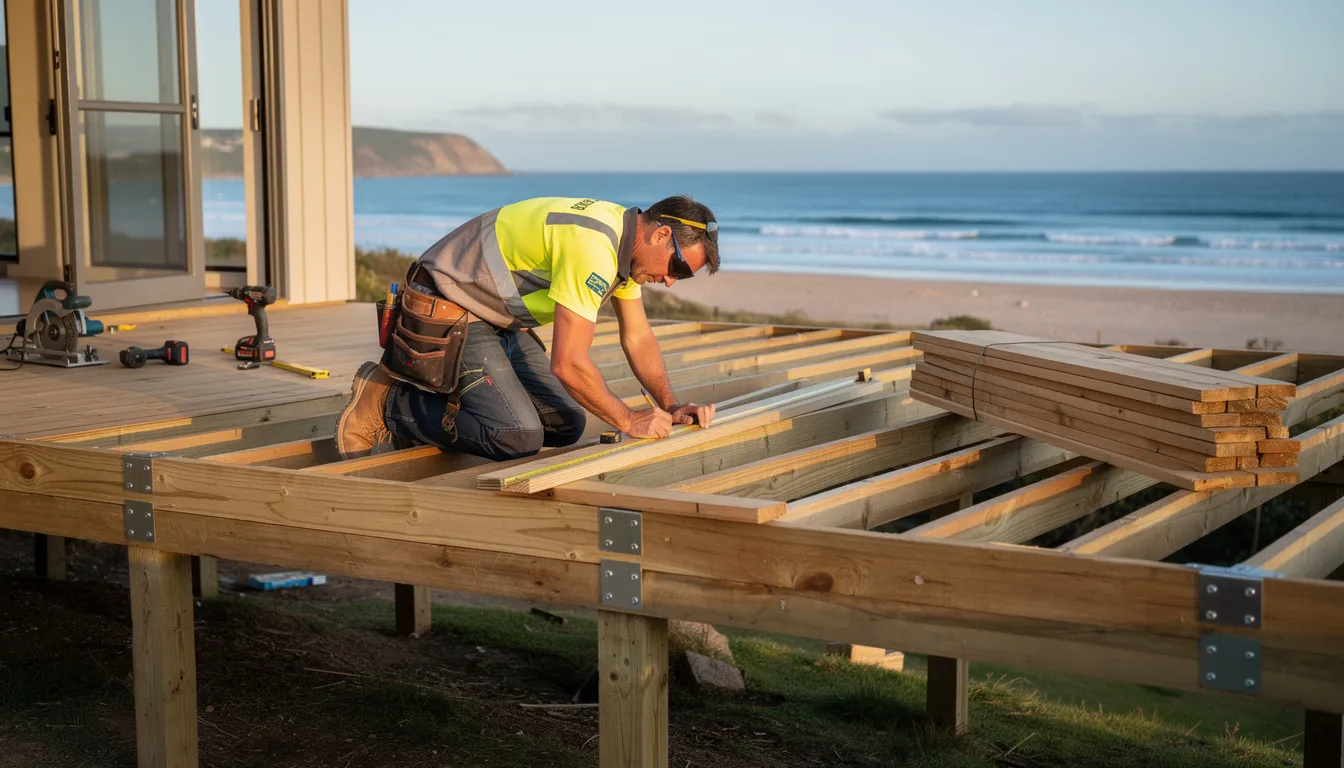
A local Kapiti deck builder familiar with both garapa and kwila on coastal sites brings invaluable experience to your project. They understand how different timber behaves from Paraparaumu through to the southern coast, and can advise on the right timber for your specific section.
What a good builder will do:
- Assess your site’s exposure to salt spray, prevailing winds, and sun exposure
- Recommend appropriate timber thickness and board width for your conditions
- Specify stainless steel fixings suitable for coastal environments
- Design for adequate drainage, ventilation, and structural integrity
- Consider planter boxes, built in seating, and other features that enhance your outdoor spaces
An experienced Kapiti builder can also help navigate Kāpiti Coast District Council requirements, especially for decks approaching or exceeding 1.5 metres in height where council consent may be required. They’ll understand local council expectations and can ensure your new deck meets all compliance requirements.
Before committing, ask to see:
- Examples or photos of previous garapa and kwila decks completed locally
- How each species looks after a few seasons in Kapiti conditions
- References from homeowners with similar coastal exposure
The right builder will happily discuss the garapa vs kwila decision, provide honest advice based on your priorities, and deliver a timber deck that performs beautifully for 25+ years.
Frequently Asked Questions About Decking in New Zealand
Which lasts longer in Kapiti’s coastal climate, garapa or kwila?
Both garapa and kwila can deliver 25+ years of service life on the Kapiti Coast when correctly installed, properly detailed, and maintained with regular cleaning and oiling. In practice, lifespan is determined more by design factors (good drainage, ventilation), quality of fixings, and maintenance consistency than by a significant durability difference between the two species. Both are rated Durability Class 2 under NZ standards, making them among the best decking choices for coastal environments.
Will kwila stain my concrete or plaster in Kapiti’s heavy rain?
Yes, new kwila often bleeds dark tannins during the first months, which can stain light concrete, tiles, and plaster—especially during Kapiti’s winter downpours. This staining can be persistent and difficult to remove from porous surfaces. Pre-washing boards multiple times before installation, temporarily protecting adjacent surfaces with plastic sheeting, and diverting initial runoff away from light finishes can greatly reduce staining issues. This extra preparation is essential for kwila but largely unnecessary with garapa.
Does garapa still need oiling in Kapiti, or can I leave it to grey?
Garapa can be left to weather to an attractive silver-grey if you prefer that aesthetically pleasing natural finish. However, UV and moisture will gradually roughen the surface over time. Applying a quality decking oil once or twice a year helps preserve the golden colour, reduce fine surface checking, keep the surface smoother under bare feet, and provide ongoing UV protection. Many Kapiti homeowners prefer the silvered look and find it cost effective for drier climates or low-traffic areas.
Is one timber better than the other for decks right on the beach?
For decks very close to sand and sea spray—such as beachfront homes in Raumati or Paekākāriki—garapa is often preferred for its excellent dimensional stability and low tannin bleeding. These properties matter more when exposure to salt, wind, and moisture is at its most intense. Kwila can still perform well in these locations if detailed properly with exceptional ventilation and fastener quality, but owners must be especially proactive about early tannin management and may face more ongoing movement in extreme conditions.
Can I switch from an old kwila deck to garapa when I re-deck?
In many Kapiti cases, you can re-use an existing compliant substructure and replace kwila boards with garapa, provided joists and bearers are in good condition and spacing suits the new board profile. A builder should inspect the structure thoroughly, check treatment levels on existing framing, and confirm that fixing patterns and spans meet current standards before re-decking. This approach can be more cost effective than a complete rebuild while giving you the benefits of garapa’s lower maintenance requirements going forward.
How often should I clean my deck to prevent dirt, algae, and mould buildup?
Regular cleaning is essential, especially in high humidity areas. It is recommended to clean your deck at least once or twice a year to prevent dirt, algae, and mould buildup that can damage the timber.
Why is applying a high-quality stain or sealant important for decks in New Zealand?
New Zealand’s harsh climate, with strong UV rays, heavy rain, and humidity, can degrade outdoor timber. Applying a high-quality stain or sealant protects the wood from weathering, moisture, UV damage, and prolongs the lifespan of your deck.
How often should timber decks be resealed or stained?
Timber decks generally require resealing or staining every 1 to 3 years, depending on exposure to sun and moisture, to maintain protection against weathering and preserve their natural beauty.
What special care do decks in humid areas need?
In humid regions, it’s important to apply a moisture-resistant sealant to protect timber from mould and algae growth, which thrive in damp conditions and can cause decay.
How do UV rays affect timber decks and what can be done?
UV rays can cause timber to fade, dry out, and degrade over time. Using stains with high UV protection helps maintain the deck’s colour and structural integrity in sunny regions.
How durable are Garapa and Kwila decking timbers?
Both Garapa and Kwila are durable hardwoods that can last 25+ years if installed properly, particularly when using 316 stainless steel screws to prevent rust stains and ensure structural integrity.
What decking materials do professional Kapiti decking companies offer?
Decking companies in Kapiti typically provide a range of materials including traditional hardwood timbers like Garapa, Kwila, and Vitex, as well as modern composite decking options made from wood fibers and recycled plastic for low maintenance.
What types of decking designs are available in Kapiti?
Kapiti decking services often offer both traditional timber decks and modern composite designs. Additional features such as pergolas and outdoor kitchens can also be included to customize your outdoor space.
Can I get a free quote for a custom-designed deck in Kapiti?
Yes, many local deck builders in Kapiti provide free quotes for custom-designed decks tailored to your preferences, budget, and site conditions.
How does Garapa compare to other timbers in terms of maintenance?
Garapa requires less ongoing maintenance than softer timbers. It weathers nicely to a soft, light silver-grey if left untreated, making it a low-maintenance yet attractive option for outdoor use.
What are the characteristics of Kwila decking timber?
Kwila is a dense tropical hardwood known for its rich reddish-brown colour and high durability. While widely available and tough, it requires more maintenance than some other hardwoods, including regular oiling and tannin management.
How does New Zealand’s climate affect outdoor timber choices?
New Zealand’s varied climate, including strong UV rays, high humidity, and coastal salt air, demands durable hardwoods like Garapa and Kwila or treated pine for decks that can withstand these conditions.
Is treated pine a good decking option in New Zealand?
Treated pine is the most common and budget-friendly decking timber in New Zealand. It is suitable for many outdoor projects but typically lasts around 15 years with proper maintenance.
What is Vitex decking and why is it popular?
Vitex is a pale hardwood imported mainly from the Solomon Islands. It is gaining popularity in New Zealand for its soft colour tones, environmental benefits, and good durability.
What are the benefits of composite decking?
Composite decking, made from wood fibers and recycled plastic, offers a low-maintenance alternative to natural timber. It can last 25 to 30 years or more without fading, cracking, or splitting, making it ideal for those seeking minimal upkeep.
Conclusion
Choosing between a garapa deck and a kwila deck on the Kapiti Coast ultimately depends on your preferences for colour, maintenance, and how your deck will be used in New Zealand’s coastal climate. Garapa offers excellent dimensional stability, minimal tannin bleeding, and a lighter, cooler surface, making it ideal for modern beach homes and exposed sites. Kwila, with its rich reddish-brown hue and exceptional hardness, remains a classic choice for those seeking a traditional, resort-style look and are prepared for the extra care required to manage tannin stains and movement.
Both hardwoods provide durability and a lifespan of 25+ years when properly installed with stainless steel fixings and maintained regularly. For homeowners prioritizing low maintenance and environmental credentials, FSC-certified garapa is a compelling option. Meanwhile, kwila continues to be favored for its toughness and deep, warm aesthetic.
Regardless of your choice, working with a knowledgeable local Kapiti deck builder ensures your new deck will withstand the challenges of salty air, strong UV rays, and high humidity typical of New Zealand’s climate. With the right timber, proper care, and expert installation, your deck will be a beautiful, functional outdoor space that enhances your home and lifestyle for decades to come.